Polish technologies may play an important role not only in the modernisation of the armed forces, but also in building resilient national infrastructure. During this year’s International Defence Industry Exhibition in Kielce, Szczecin-based SLIPFORM presented the potential applications of slipform technology in the defence sector, ranging from concrete radar towers and reinforced storage facilities to shelters and dual-use infrastructure.
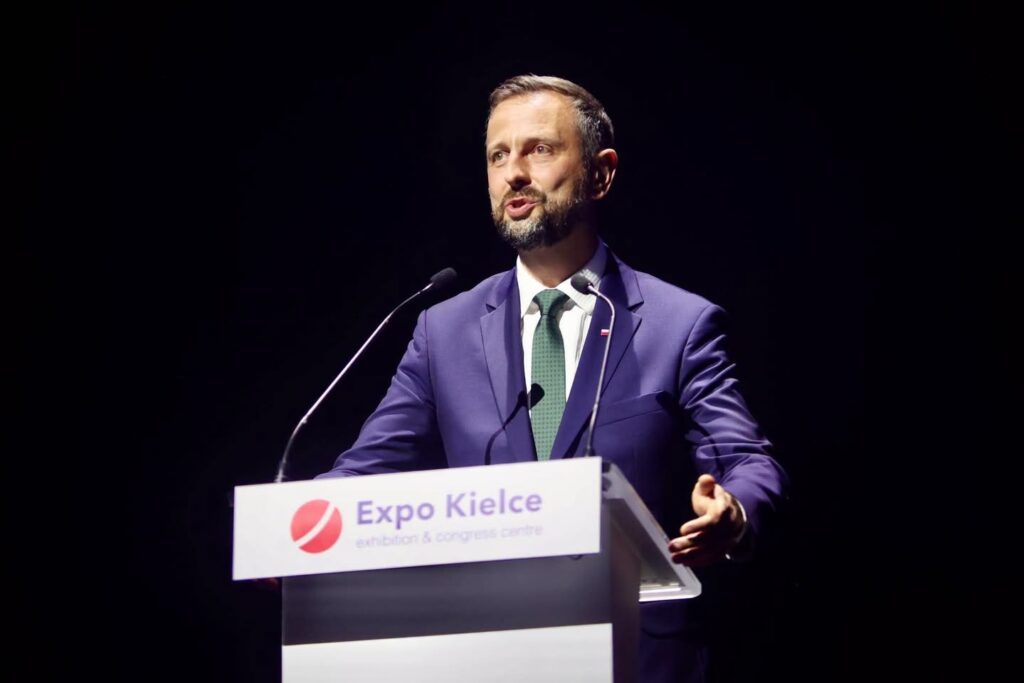
The 34th International Defence Industry Exhibition was held in Kielce. This year’s record-breaking edition brought together more than 1,200 exhibitors from 43 countries, as well as representatives of dozens of official foreign delegations. It is one of Europe’s most important meeting places for the military, public administration, industry and companies developing technologies that may shape security over the coming decades.
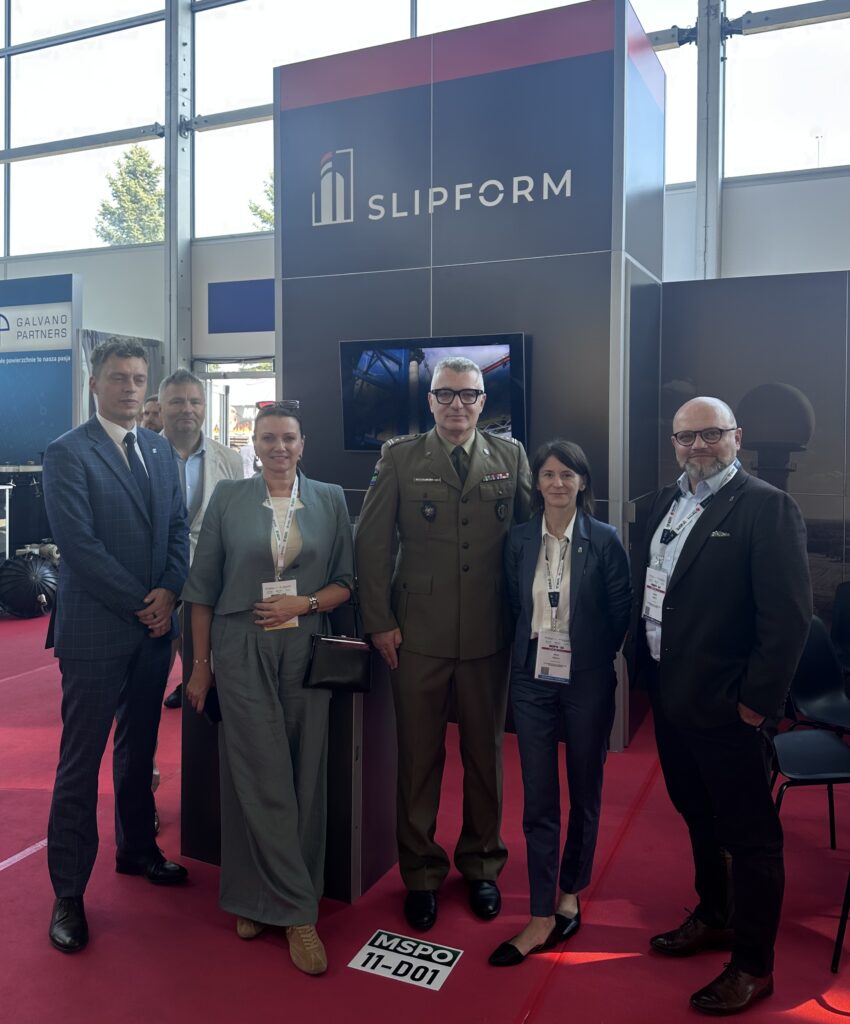
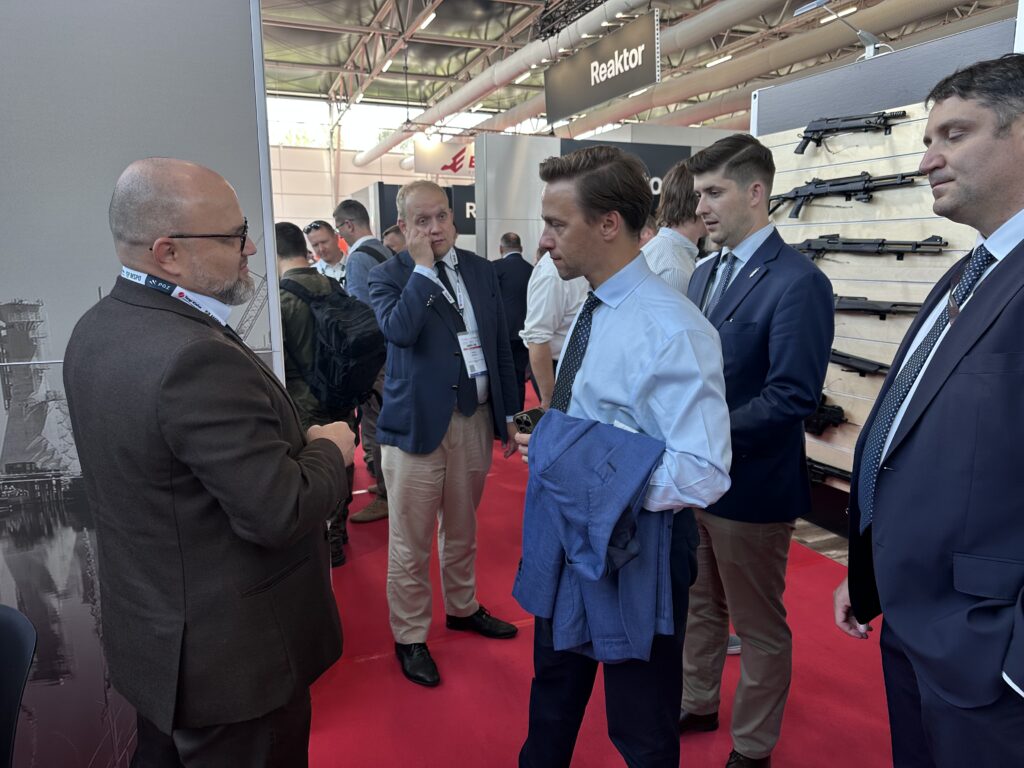
One of the Polish exhibitors was SLIPFORM Sp. z o.o., which demonstrated at MSPO that the defence sector is about more than just new weapons systems. Equally important is the infrastructure that enables these systems to be installed, protected and maintained in operational readiness.
Civilian technology with defence applications
SLIPFORM specialises in the construction of tall, monolithic reinforced concrete structures using slipform technology. The concreting process can be carried out continuously, 24 hours a day, seven days a week. The speed of construction, monolithic nature of the structures and ability to adapt them to specific requirements mean that this technology can also be applied in the defence sector.
One potential application is the construction of concrete radar and observation towers that can serve as support structures for radar systems, sensors, communications equipment or components of counter-drone systems. Other areas include reinforced storage facilities, logistics and strategic infrastructure, as well as selected reinforced concrete structures designed for shelters and protective facilities.
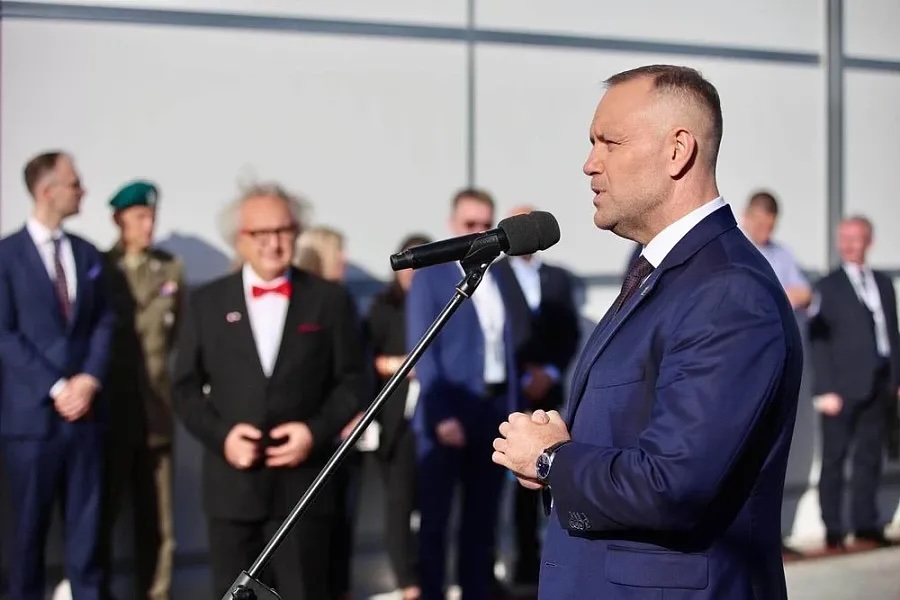
“In the face of such dynamic changes, the Polish state must prepare not only for the war of today or the war that may come tomorrow, but above all for the war of the future,” emphasised President of the Republic of Poland Karol Nawrocki.
This is also an example of dual-use technology, a solution developed and used in the civilian sector that can be adapted to meet security and defence requirements.
“The war in Ukraine has demonstrated very clearly that a country’s security is not determined solely by the number of tanks, aircraft or missile systems it possesses. Behind each of these systems is infrastructure. We need sites for radar systems, surveillance systems, logistics facilities, warehouses and protective structures. Poland has the technologies and expertise needed to build such infrastructure quickly and domestically. We want SLIPFORM to become part of this potential,” says Daniel Kisała, President of the Management Board of SLIPFORM Sp. z o.o.
The rapidly changing nature of the modern battlefield makes it necessary to take a broader view of national defence capabilities. These capabilities include not only arms manufacturers, but also construction, engineering, technology and industrial companies whose expertise and resources can be utilised in crisis situations.